
Animetrics turns three 🎉
Issue 4 | October 2026
Welcome back!
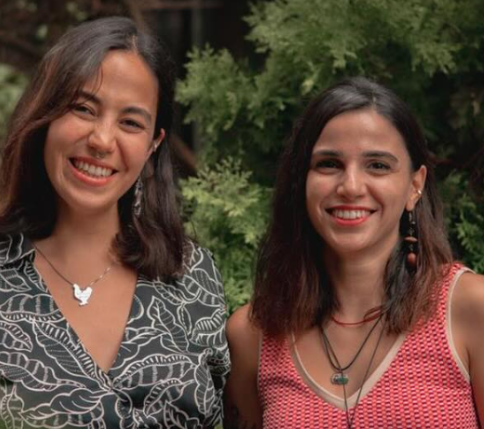
This issue is a little special: Animetrics is turning three! 🎉
We’re very happy to be celebrating another year of Animetrics, and grateful to everyone who has supported our work along the way.
In this issue:
🎂 Three years in: what you helped build
🎉 What our small team put out in year three
🤝 A new implementation pathway with a halal certification body
📝A new report: Perceptions of Plant-Based Diets among Gen Z in Türkiye
🎙 Presenting our research findings and discussing future research opportunities at a workshop at Berlin Social Science Center (WZB)
📍 See us in November at The Plant Food System Summit and AVAxMadrid
🌱 What we’re working on next
As always, thank you for being here. Whether you have collaborated with us, used or shared our research, offered feedback, or simply followed our work, you’re part of how we got here. We’re grateful to have you with us as we enter our fourth year.
🎉 Three years in: What you helped build
This month, we’re celebrating Animetrics’ third birthday!
Animetrics started with conversations between two friends doing their PhDs in economics together, about justice, animals, and the gaps in advocacy research. Three years later, we’re a team of four working across countries and alongside advocates around the world.
A small birthday thank-you
Animetrics began with two people, but it would not be where it is today without volunteers Sophie Weiner and Tracy Moore. Thank you for bringing your time, skills, patience, and care to this slightly overambitious little organization.
“I’ve loved getting to see how research can help fill important gaps in animal advocacy—especially by helping us better understand people’s attitudes, behaviors, and relationships with animals and food across different cultures. I’m especially proud to contribute to work that brings this often-overlooked research into the hands of advocates in a way that’s accessible and useful. It’s been a really rewarding way to combine my passion for animal advocacy with my background in communications and knowledge sharing.”
— Sophie Weiner“Being a part of Animetrics has made me inspired to see the impact that research can have in creating change. Here, you can witness firsthand how we are making a difference for living beings around the world.”
— Tracy Moore
Many people have supported us, collaborated with us, shared their knowledge, and trusted what we were trying to build. Their belief in Animetrics has strengthened our own, and today, we believe more than ever in the value of research that responds directly to advocates' needs.
Along the way, we have grown, become more demand-driven, and learned a great deal about where our work can be most useful. These lessons have helped us focus our time and resources where they matter most.
📈 What our small team put out in Year Three
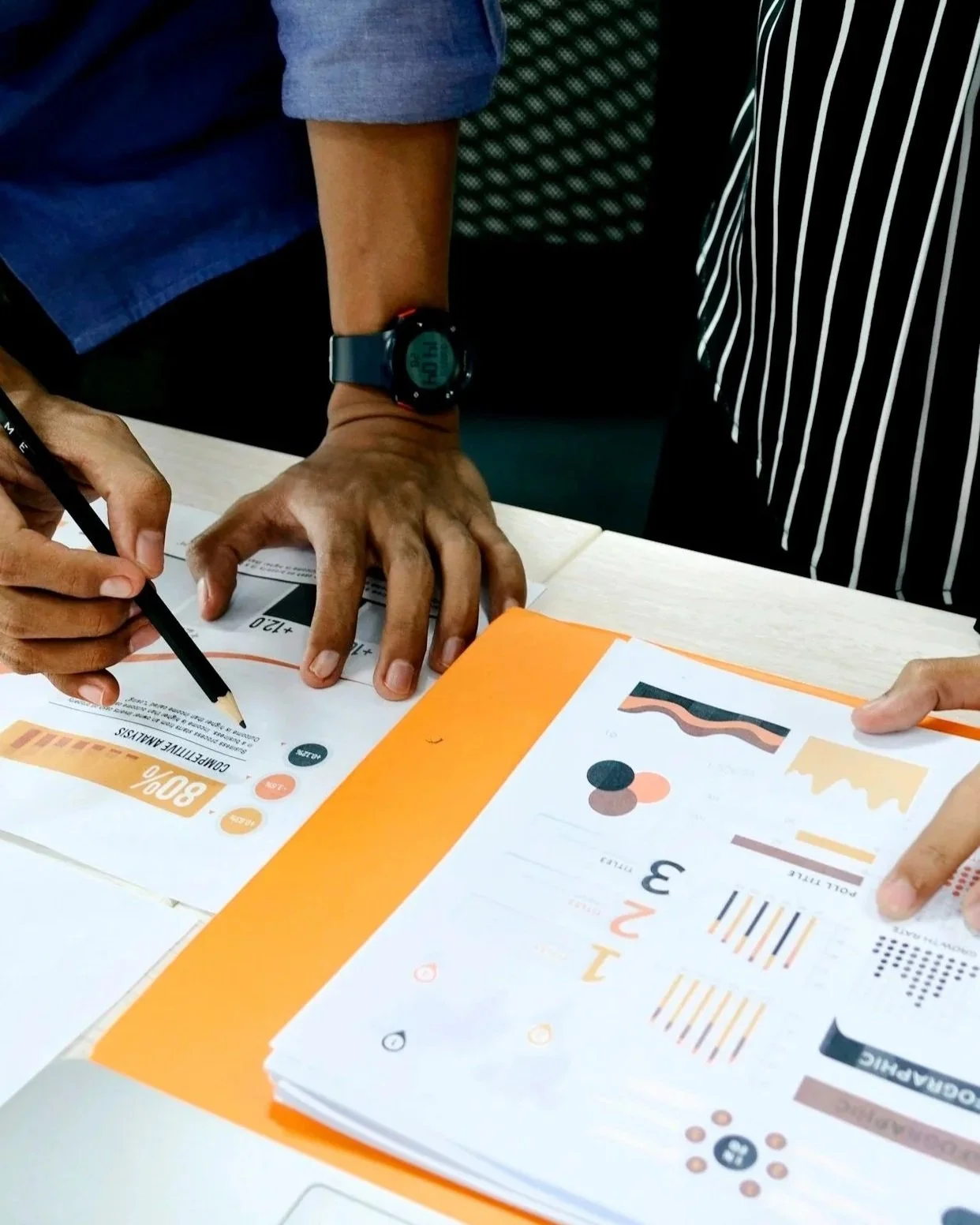
Over the past year, we published 8 studies:
On public attitudes toward farmed animals across the Gulf and Lebanon, on plant-forward diets and animal welfare in halal food systems in Türkiye, and Muslim perspectives across 15 countries.
We’re proud of what our small team has accomplished! We think publishing research is only part of the picture. This year, we also made meaningful progress in helping organizations turn evidence into campaigns, institutional engagement, and practical decisions.
🤝From research to implementation in Türkiye
Much of our implementation work has focused on helping advocacy organizations use evidence in campaigns, corporate engagement, communications, and policy work. In Türkiye, we tried an additional route: taking our findings directly to an institution that can influence certification practices and reach government and industry decision-makers.

Photo credit: Unsplash
We shared findings from three strands of our halal and animal-welfare research with one of the major certification bodies accredited by Türkiye’s official Halal Accreditation Agency. The conversation quickly moved toward possible action. The certifier has invited Animetrics to train its food-certification auditors and jointly present the findings to the Ministry of Agriculture and relevant directorates, including on animal welfare in halal production and reversible stunning. It has also proposed pilot initiatives and a broader stakeholder meeting involving chambers of commerce and food and quality-assurance networks.
This is why we stay involved after a study is published: to help turn evidence into concrete decisions and next steps. It also gives us an early real-world test of whether locally grounded research can influence certification practices and create a route to government and industry. If it works, this approach could offer a promising model for improving animal-welfare standards in other halal markets.
We have also published a new short report, Perceptions of Plant-Based Diets among Gen Z in Türkiye: A Closer Look at 18–24-Year-Olds, as a follow-up to Toward Plant-Forward Diets in Türkiye. When we presented the main report’s findings at a webinar in July with organizations and activists working on plant-based diets and animal rights and welfare, one result drew particular attention: young people aged 18–24 viewed plant-based diets more negatively than middle-aged groups. Participants asked us to look more closely at this group, so we did. The new report examines how 643 young respondents view plant-based diets, what motivates those who reduce or avoid animal-based products, and which groups hold the most negative views.
Read it in English or in Turkish. Questions, feedback, or need help applying the findings? Take this 1-minute feedback survey.
📖 New publications ahead!
We received good news from the PHAIR Journal: our paper, "Evaluating Consumer Confusion in Plant-Based Food Labeling: Evidence from a Randomized Experiment on Cheese Alternatives" has been accepted for publication.
We’ve also been invited to contribute a chapter to A Companion to Islam, Animal Ethics, and Veganism: Contemporary Debates within the Muslim World, forthcoming in Palgrave Macmillan’s Animal Ethics series. Our chapter will explore the connections between animal agriculture, climate change, and social justice in Muslim contexts.
We look forward to sharing both publications when they become available.
🎙️ Bringing animal welfare into broader research conversations
We recently presented findings from our study of Muslim attitudes across 15 countries at a workshop at the WZB Berlin Social Science Center, where our co-founder Sueda is a postdoctoral researcher on a project studying prosocial behavior.
The presentation also included ideas for future research on how messages can encourage pro-animal behavior. These ideas revolve around testing messages that appeal to people's sense of what is right and show how pro-animal choices fit with their own values, as well as tracking how people's behavior changes over time in response.
The workshop was a valuable chance to get feedback from scholars who study prosocial behavior in areas such as charitable giving and sustainability. They suggested also testing whether the messenger matters (for example, whether people respond differently to advocacy organizations or religious scholars) and learning from related fields such as organ donation research.
📍 Where you can find us next
In November, we will be speaking at the Plant Food System Summit, where we will continue the conversation about locally grounded research and how it can support more effective animal advocacy.
We’ll also be attending AVAxMadrid! If you’ll be there too, come and say hello!
🌱 What’s ahead
More and more, our projects start with questions raised directly by advocacy organizations, and we stay involved as partners interpret and apply the results.
One priority is the next phase of our 15-country Muslim Perspectives study. What works in one country may not translate directly to another, so we aim to work closely with organizations in at least four countries (Türkiye, Pakistan, Egypt, Indonesia) to identify the most relevant findings for each context, develop country-specific materials, and support partners in putting them into practice.
Are you an advocate working in the above countries? (Türkiye, Pakistan, Egypt, Indonesia), let us know if our research can help you, we offer free of charge consultancy.
We also have several new projects taking shape and look forward to sharing more soon.
